
A cracked bathroom tile, a tired kitchen splashback or a whole floor that needs lifting is not a job to hand to the first name you see. In Luton town centre and Bury Park, work can mean careful cuts around awkward walls and busy homes; in Stopsley or Wigmore, the same request may be a larger floor, hallway or kitchen job. The right tiler is the one whose stated experience matches the surface, tile and preparation your property needs.
What to decide before you choose a tiler in Luton
Tiling is often described as a finish, but the finish is only as good as the surface beneath it. A bathroom wall may need preparation and waterproofing before a tile is fixed. A kitchen splashback may be a small area but still needs accurate cuts around sockets, worktops and corners. A floor can look straightforward until the existing surface is uneven, damp or moving.
That is why the useful first question is not simply “Who is cheapest?” It is “Who regularly does this type of work, and what will they do before the first tile goes down?” A provider listing wall and floor tiling may suit a general room refresh. A provider listing tile repair, Victorian tiles or natural stone may be a closer fit for a more specific job. A company that states it handles commercial work may be worth considering for a shop, restaurant or office, but that does not automatically make it the right choice for a small domestic repair.
Luton’s compact geography makes the practical details matter. A town-centre flat can involve stairs, limited storage and a tight delivery route. A home around Stopsley, Round Green or Wigmore may give a larger room but still need clear planning for tile deliveries and waste. If the property is close to the University of Bedfordshire, it may be a student let or a shared home where timing and keeping the space usable matter. These are reasons to ask better questions, not reasons to assume that one neighbourhood needs one sort of tiler.
Use the shortlist below as a starting point. The businesses are included because the available public material connects them with Luton and states a relevant tiling offer. It does not prove workmanship, current availability or a fixed price. Those points still need to be established directly for your job.
Which Luton tiler looks closest to your job?
- For a repair or a smaller defined task: NB Tiling Services and Klindes both have tile repair listed in their public service information.
- For bathroom, kitchen and wider domestic work: Specialist Tiling and Tiling Edge describe broad wall, floor, bathroom and kitchen services in Luton.
- For natural stone, slate or more material-specific work: Alba Tiling Co, PragmaTile, ALBERT SULA and Versa Tile list relevant materials or specialist categories.
- For wall and floor work without a narrow material brief: Alex, Doklim Ceramic and Iregal Renovations have broad wall and/or floor tiling listed.
- For a commercial project: Specialist Tiling explicitly describes residential and commercial clients. Tiling Edge also describes domestic and commercial work, although the scope and programme should be confirmed.
This is a fit guide, not a workmanship league table. The public information is uneven: some providers publish a detailed service scope, while others appear mainly through a trade directory. A thinner profile is not proof of poor work; it simply means you should ask more before appointing.
Twelve Luton tiler options, matched to the work they publicly describe
1. Specialist Tiling — broad residential and commercial coverage
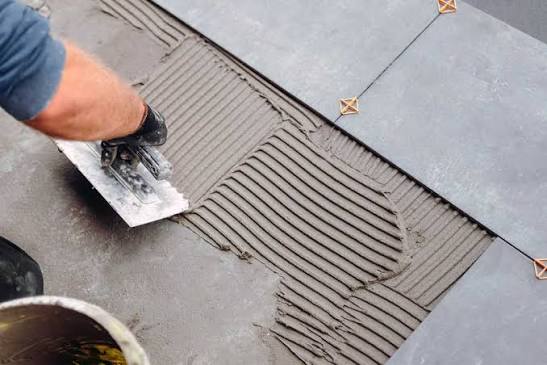
Specialist Tiling is one of the clearest Luton-facing profiles in the material reviewed. Its website describes a team of wall and floor tilers serving Luton and surrounding areas, with residential and commercial work. It names bathrooms, kitchens, hallways, living spaces, offices, retail stores and restaurants, and lists ceramic, porcelain, natural stone, glass and mosaic tiles among its capabilities.
That makes it a sensible first conversation for a project that is more than a small patch: a bathroom refit, a kitchen floor, a hallway, or a commercial area where planning and sequencing matter. The site also says the business can work with client-supplied tiles or arrange procurement, and describes labour as a complete-job quotation rather than a day rate. Treat those statements as the provider’s own offer and confirm what is included in writing.
The same site states that its team is qualified, insured and offers a lifetime guarantee. These are important claims, but they are not independent findings; ask to see the relevant documents and the exact terms before relying on them. Its stated experience is 20 years, and it says much of its work comes from recommendations. Again, that is self-reported rather than a substitute for a recent, relevant reference.
Best fit: a planned domestic or commercial job needing a broad material and room scope. Operational reality: a larger or multi-stage project will need a site assessment, substrate discussion and programme. Limitation: the public material does not establish current availability, a Luton-only base, exact prices or the details of its guarantee.
2. Tiling Edge — bathroom, kitchen and varied tile materials
Tiling Edge has a dedicated Luton service page and describes work for residential and commercial clients. Its stated service list includes kitchens, bathrooms, hallways, conservatories, swimming pools and indoor or outdoor steps. It names marble, slate, travertine, ceramic, quartz, terracotta, limestone and porcelain, and also discusses mosaics and natural stone.
The breadth is useful if your job crosses ordinary room boundaries. A kitchen splashback may be straightforward, while a full bathroom or wet-room-style installation demands more coordination. The company’s public material specifically discusses bathroom refurbishment and complete bathroom or wet-room installations, as well as wall and floor tiling. That gives a reader something concrete to ask about rather than relying on the generic phrase “all tiling.”
Tiling Edge states that its work is guaranteed for ten years. That is a provider claim, so ask whether the guarantee covers labour, materials, remedial work and any preparation or associated installation. The page also states more than 11 years’ experience and mentions work connected with Topps Tiles customers; neither point confirms a current appointment slot or a particular standard on your project.
Best fit: a bathroom, kitchen, hallway or floor project where the tile material needs to be discussed in detail. Operational reality: ask who is responsible for removing old tiles, preparing the substrate, moving sanitaryware and disposing of waste. Limitation: the public page does not provide a current Luton address, a live price list or proof that every listed material is suitable for your substrate.
3. NB Tiling Services — repairs alongside floor and brick-style tiling
NB Tiling Services appears in the Luton tiler listings with a stated Luton operating area. Its listed skills include general tiling, brick tiling, handmade tiles, floor tiling and tile repair. That combination gives it a useful place on a shortlist where the job is not a complete refurbishment but still needs a specialist finish.
Repair work deserves a different conversation from replacement. If only a few tiles are cracked, the existing batch may be discontinued, the adhesive may have failed or the surrounding surface may be moving. A tiler who lists tile repair is at least presenting that type of work as part of its offer. Handmade or brick-style tiles also benefit from a discussion about variation, layout and grout lines before cutting begins.
The public listing does not give enough evidence to describe NB Tiling Services as a bathroom specialist, natural-stone specialist or commercial contractor. It also does not establish a street address, qualifications, insurance, guarantee, price or availability. Those gaps are especially relevant for a repair: ask whether the business will source matching tiles, whether it can work with tiles you already have and whether it will repair only or also investigate the cause of failure.
Best fit: a defined repair, floor, brick-style or handmade-tile task in Luton. Operational reality: send clear photographs and the approximate number of tiles, but expect a site visit if the substrate or moisture is uncertain. Limitation: the directory profile is the main evidence available, so project-specific scope must be confirmed directly.
4. MCM Tiling & Property Services — wall work, Victorian tiles and reactive jobs
MCM Tiling & Property Services is listed as operating in Luton. Its public service categories include tiling, brick tiling, emergency tiling service, Victorian tiles and wall tiling. That profile points towards a provider who may be considered for a contained wall job, a period-style tile task or a repair that cannot wait for a full renovation programme.
“Emergency” is a useful label only if its meaning is made clear. A loose tile behind a sink, water-related damage or a safety issue may need a prompt response, but a quick attendance does not necessarily mean the underlying surface can be made good immediately. Ask what the first visit covers, whether temporary making-safe work is available and how a permanent repair would be priced.
The Victorian-tile reference may suit an older hallway or a period property, but the listing does not show whether MCM supplies matching tiles, works on external areas or carries out full floor restoration. It also does not establish an address, opening hours, qualifications, insurance or an appointment window. The phrase “property services” should not be read as proof that plumbing, plastering or other trades are included.
Best fit: a wall-tiling job, a small reactive issue or a Victorian-tile enquiry where the exact repair can be inspected. Operational reality: separate urgent attendance from the full reinstatement, drying and retiling plan. Limitation: publicly available evidence is service-category level and does not confirm wider building or bathroom-remodelling capability.
5. Alba Tiling Co — quartz and slate among its stated materials
Alba Tiling Co is listed as operating in Luton, with general tiling, brick tiling, tile supply, quartz tiling and slate tiles shown in its public service information. The material references make it worth considering when the decision is not simply “wall or floor” but also involves a particular surface and the question of who is sourcing it.
A tile supplier reference can be useful for a project where the tile has not yet been ordered. It should not, however, be taken to mean that every size, colour or batch is available. Quartz and slate have different handling and preparation considerations, so ask about the exact product, its intended use, sealing requirements and the condition of the substrate. If you have already bought tiles, confirm whether the business is happy to install customer-supplied materials and what happens if there are shortages or breakages.
The available listing does not set out a detailed room-by-room service, a published portfolio or an independently established qualification or guarantee. It also does not prove that tile supply is part of every installation quotation. The safest use of this listing is as a prompt for a material-specific conversation, not as a promise of a one-stop package.
Best fit: a Luton project involving slate, quartz or a tile-sourcing discussion. Operational reality: agree the product, quantity, batch, trims, adhesive and grout before work starts. Limitation: the public evidence is brief, so ask for examples of the same material in a comparable setting.
6. Alex — wall, floor, slate and handmade-tile work
The Luton listing for Alex describes general tiling, wall tiling, floor tiling, slate tiles and handmade tiles. It is a broad but practical profile: it covers the two main surfaces and calls out two materials that can make layout and cutting less routine.
This could suit a homeowner who has a clear room and tile choice but does not need a full design-and-build service. Slate and handmade tiles are not just visual choices. Their thickness, variation and edges may affect set-out, trims and grout. Ask how the provider wants the tiles delivered, whether the floor or wall needs levelling, and how much variation will be allowed in the finished layout.
There is not enough public information to describe Alex as a bathroom installer, a natural-stone contractor across every stone type or a commercial tiler. The listing also does not establish a business address, qualifications, insurance, guarantee or current availability. A personal-name listing can be perfectly legitimate, but it makes it more important to get the quotation and the responsible contracting name in writing.
Best fit: wall or floor tiling with slate or handmade tiles, subject to a site assessment. Operational reality: agree who handles preparation, cuts, trims and sealant, not only the laying rate. Limitation: the available evidence is a short directory profile with no published project detail.
7. Doklim Ceramic — ceramic, Victorian and plain tiles
Doklim Ceramic has a Luton presence in two public listings, with tiling, wall tiling, Victorian tiles, plain tiles and floor tiling shown as relevant categories. That mix makes it a reasonable option to ask about for a standard ceramic scheme, a straightforward floor or a period-style tile job.
The name and service categories point towards ceramic work, but they do not establish that the provider supplies tiles or takes on full bathroom refurbishment. For a plain-tile wall, the key questions will usually be set-out, corner cuts, grout colour and what happens at changes of plane. For Victorian-style work, ask whether the design is being repaired, extended or installed new, and whether the pattern has been agreed before ordering.
One directory listing gives a Luton business entry and another gives the Luton operating association, but the available material does not provide enough evidence for a detailed company profile. There is no confirmed public information here about qualifications, insurance, guarantee, pricing, opening hours or current appointment slots. Do not infer those facts from the business name.
Best fit: a ceramic wall or floor project, including a Victorian-tile enquiry. Operational reality: provide the tile specification and room dimensions early; patterned work needs more than a square-metre estimate. Limitation: the public scope is concise and does not confirm associated plumbing, plastering or tile supply.
8. PragmaTile — natural stone, Victorian tiles and tile supply
PragmaTile is listed as operating in Luton and its service categories include wall tiling, tile supply, Victorian tiles and natural stone tiles. That makes it one of the more relevant names for a job where the material and sourcing decision are central, rather than incidental.
Natural stone needs a more careful specification than a generic “floor tiling” request. Ask what stone you are considering, whether it is for a wall or floor, what preparation is expected and whether sealing is included or left to you. A Victorian-tile project also needs a settled pattern, border and finish before the quote can be meaningfully compared. If tile supply is part of the conversation, agree who checks quantities, batch consistency and replacement pieces.
The listing does not establish an exact Luton address, a detailed portfolio, or whether PragmaTile handles every stage of a bathroom or kitchen renovation. It also does not independently confirm qualifications, insurance, guarantee, price or availability. The strongest editorial basis for including it is its stated combination of material-specific work and tile supply.
Best fit: natural stone, Victorian-style tiling or a job where tile procurement needs discussing. Operational reality: insist on a written material and preparation specification, including sealing responsibilities. Limitation: the directory evidence does not describe the full installation process or wider building work.
9. ALBERT SULA — slate, Victorian and mosaic categories
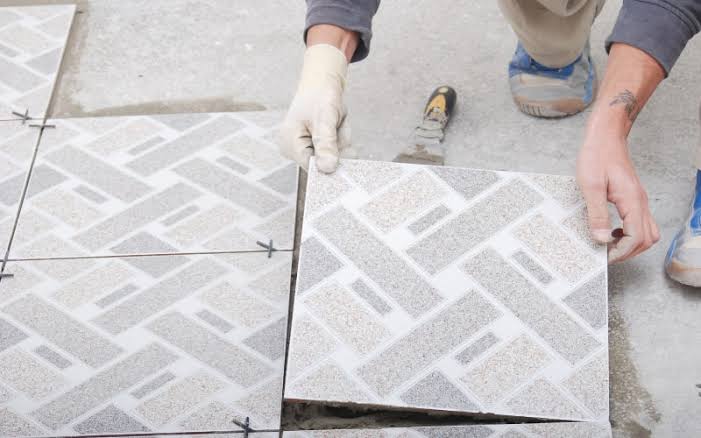
ALBERT SULA appears in the Luton tiler listings with general tiling, brick tiling, slate, Victorian and mosaic tiles shown as service categories. That is a useful range for a homeowner comparing decorative wall work with a floor or entrance detail, although the profile does not explain the scale of projects undertaken.
Mosaic work needs a clear layout and a realistic conversation about edges, sheets, grout joints and the condition of the backing surface. Slate brings its own questions around flatness, thickness and sealing. Victorian-style tiles may be a repair, a new pattern or a small feature, and the right preparation can differ between those cases. Ask for examples of the exact type of work, not just a general promise to tile.
There is no public evidence in the reviewed material of a confirmed street address, a separate company website, qualifications, insurance, guarantee or published availability. The directory listing supports local association and the named tile categories only. It does not support a claim that the business supplies materials or undertakes full room refurbishment.
Best fit: a Luton job involving slate, mosaic, Victorian or brick-style tiles. Operational reality: settle the design and substrate before comparing quotes; small decorative areas can be labour-intensive. Limitation: the profile is short, so the provider’s wider capability must be established directly.
10. Versa Tile — floor, wall, brick and natural-stone work
Versa Tile is listed as operating in Luton, with floor tiling, wall tiling, brick tiling and natural stone tiles included in its service categories. Its public profile therefore covers both the surface distinction and a material distinction, making it a possible general shortlist choice for a room refresh or a more demanding stone finish.
For a floor, ask about the base: timber, screed, concrete and existing tiles each raise different preparation questions. For a wall, ask how corners, movement joints and changes in plane will be finished. For natural stone, discuss sealing and maintenance before the tiles arrive. The brick-tiling reference may be relevant to a feature wall or brick-slip-style finish, but the exact product and fixing method must be confirmed.
The available listing does not establish a detailed portfolio, a Luton address, a price structure, a guarantee, qualifications or insurance. It also does not say whether the provider supplies tiles or takes on wet-room preparation. Those omissions do not disqualify it; they simply place more weight on the site visit and written quotation.
Best fit: a general wall or floor job where natural stone or brick-style work is part of the brief. Operational reality: specify the base, tile format and room use; a high-traffic floor needs a different discussion from a decorative wall. Limitation: public evidence is limited to the directory service categories and Luton association.
11. Iregal Renovations — wall, floor, brick and mosaic categories
Iregal Renovations is shown as operating in Luton, with tiling, wall tiling, brick tiling, floor tiling and mosaic tiles listed. The renovation name suggests a wider project context, but the evidence supports only those tiling categories, not a full list of building trades.
This could be worth contacting where tiling sits within a wider room update. The important point is to separate the tile installation from any associated demolition, plastering, joinery or plumbing. If one contractor is expected to coordinate everything, ask which elements are carried out in-house and which are passed to others. For mosaic work, ask about the backing surface, sheet alignment and grout finish. For a floor, ask what preparation is included before the quote is compared with a specialist tiler’s quote.
The public profile does not independently confirm an address, project portfolio, qualifications, insurance, warranty, price or availability. It also does not establish that “renovations” means a complete bathroom or kitchen installation. The local association and stated tiling categories are the proper limits of the claim.
Best fit: wall, floor, brick-style or mosaic tiling where the job may sit inside a wider renovation. Operational reality: get a room-by-room scope and identify who owns defects if several trades are involved. Limitation: the available profile does not detail preparation, waterproofing or coordination arrangements.
12. Klindes — tile repair and ceramic wall work
Klindes is listed as operating in Luton, with general tiling, brick tiling, ceramic tiling, tile repair and wall tiling shown. It is therefore a name to keep in the conversation for a smaller defined repair or a ceramic wall job, especially when replacing the whole room would be unnecessary.
Before asking for a repair quote, identify whether the problem is a single broken tile, loose tiles, cracked grout or movement in the wall. A replacement tile can hide the symptom without resolving the cause. Ask whether the provider will inspect the backing, whether matching tiles are available and whether removal may damage adjacent tiles. If the repair is around a bath, shower or sink, ask how moisture ingress will be assessed.
The listing does not establish an exact location within Luton, a detailed portfolio, qualifications, insurance, a guarantee or current availability. It also does not prove that Klindes handles floors, natural stone or full bathroom installations. Its inclusion is based on the specific repair and ceramic categories shown, not on a claim of being the cheapest or the highest quality.
Best fit: a ceramic wall job or tile repair where the cause of damage can be inspected. Operational reality: keep spare tiles if you have them and agree whether making-good or regrouting is included. Limitation: public information is brief and does not show the provider’s broader project range.
A comparison of the publicly stated service fit
| Provider | Confirmed local association | Stated service focus | Evidence limitation |
|---|---|---|---|
| Specialist Tiling | Website explicitly markets tilers in Luton | Wall and floor; bathrooms; kitchens; commercial; ceramic, porcelain, natural stone, glass and mosaic | Qualifications, insurance and guarantee are provider claims; current availability and prices not established |
| Tiling Edge | Dedicated Luton service page | Bathrooms, kitchens, hallways, floors, wet rooms; ceramic, porcelain, natural stone, mosaics and other listed materials | Ten-year guarantee and experience are provider claims; current programme and price not established |
| NB Tiling Services | Directory listing says operates in Luton | Floor, brick, handmade tiles and tile repair | No detailed company profile or independent evidence of wider scope |
| MCM Tiling & Property Services | Directory listing says operates in Luton | Wall, brick and Victorian tiles; emergency tiling category | Emergency response, address, qualifications and wider property services not established |
| Alba Tiling Co | Directory listing says operates in Luton | General, brick, quartz and slate tiling; tile-supply category | Exact supply and installation arrangements not established |
| Alex | Directory listing says operates in Luton | Wall, floor, slate and handmade tiles | Limited public profile; no address or wider project scope established |
| Doklim Ceramic | Luton entries in public directories | Wall, floor, ceramic, plain and Victorian tiles | Detailed preparation, supply and refurbishment scope not established |
| PragmaTile | Directory listing says operates in Luton | Wall, natural stone and Victorian tiles; tile-supply category | No detailed public process, price or current availability established |
| ALBERT SULA | Directory listing says operates in Luton | Brick, slate, Victorian and mosaic tiles | Limited public profile; no wider scope or credentials established |
| Versa Tile | Directory listing says operates in Luton | Floor, wall, brick and natural-stone tiles | Preparation, supply and guarantee details not established |
| Iregal Renovations | Directory listing says operates in Luton | Wall, floor, brick and mosaic tiles | Renovation coordination and associated trades not established |
| Klindes | Directory listing says operates in Luton | Ceramic wall work, brick tiling and tile repair | Wider room and material scope not established |
How to compare quotes for a real tiling job
Wall tiling, floor tiling or both?
Tell each tiler exactly which surfaces are included. “Bathroom tiling” can mean a splashback behind the basin, all walls, the floor, a shower area or a complete strip-out and refit. “Kitchen floor” can mean a clear room ready for installation or a floor with old adhesive, appliances and uneven sections still in place.
For a floor, ask what the existing base is and whether levelling, decoupling or other preparation is included. For a wall, ask about plaster, existing tiles, corners and movement. A quote that only describes laying tiles may not be comparable with one that includes preparation.
Bathrooms, wet areas and kitchen splashbacks
In a bathroom, ask how the tiler deals with areas exposed to regular water. Find out who is responsible for tanking or waterproofing, sealing changes of plane and coordinating with the plumber. Do not assume that a tiler who can lay bathroom tiles also provides plumbing or a complete bathroom installation.
A splashback is smaller, but sockets, worktops, window reveals and exposed edges can make it detail-heavy. Confirm the tile layout before fixing starts. Ask whether socket plates are removed and refitted by the appropriate person, and whether trims, silicone and final grout cleaning are included.
Large-format porcelain and natural stone
Large porcelain tiles need accurate handling, a suitable base and a plan for cuts and access. Natural stone can vary in thickness and may require sealing and ongoing care. Ask the tiler whether they have completed the exact tile format and material you have chosen, rather than accepting a general statement that they work with “all tiles”.
For slate, marble, quartz, limestone or travertine, put sealing responsibility in writing. Clarify whether the quote covers adhesive, grout, trims, movement joints, cuts, breakages and the final clean. These details can change the total even when the tiled area is unchanged.
Substrate preparation, adhesive and grout
Ask the tiler to explain what they found beneath the old finish and what must be done before fixing. The answer should be specific to the surface, not a generic promise. Ask which adhesive and grout are proposed for the tile and location, who supplies them, and whether the manufacturer’s requirements are being followed.
Grout colour and joint size affect the appearance and maintenance of a room. Movement joints, perimeter gaps and flexible sealant are practical details, particularly where different surfaces meet. They should be discussed before work starts, not left to an end-of-job argument.
Quotes, access and timing
Send the same information to each provider: room measurements, photographs, tile type and size, the condition of the existing surface, whether tiles have been bought, and whether furniture or sanitaryware must be moved. Ask for a written scope with exclusions. A day rate and a fixed job price are not directly comparable unless the hours, preparation and materials are clear.
Access matters in town-centre homes, upper-floor flats and properties with limited parking or storage. State any stairs, narrow entrances, shared access, delivery restrictions or occupied rooms at the quoting stage. Do not promise a provider that unloading or parking will be straightforward if you have not checked it.
For a home near the University of Bedfordshire or a busy central street, agree how the room will be kept usable, where tools and waste will go, and what happens if the job runs beyond the planned date. Luton DART and London Luton Airport are useful local access landmarks only when they genuinely affect a commercial site visit or travel plan; they do not prove a provider’s coverage or availability.
Repair or replace?
Repair is usually worth exploring when the damage is limited and matching tiles are available. Replacement may be more sensible when tiles are loose across a wide area, moisture has reached the backing, the original range is discontinued or the surface is moving. Ask for the cause to be identified before accepting a cosmetic patch.
Keep spare tiles, batch information and product details if you have them. For a period or patterned floor, photograph the layout before removal. A tiler can then assess whether a local repair is realistic rather than guessing from one broken piece.
Questions to ask before you appoint
- Have you completed this tile material and format on a similar wall or floor?
- What preparation does this surface need, and is it included in the quotation?
- Who supplies the tiles, adhesive, grout, trims and sealant?
- Who handles waterproofing, plumbing, electrical disconnection or removal of old tiles?
- How will corners, edges, thresholds, movement joints and sockets be finished?
- What is excluded, and what happens if the substrate is worse than it appears?
- How long is the proposed programme, and when can the room be used again?
- Can you provide the contracting name, written terms and any documents you want me to rely on?
Questions Luton readers often ask about hiring a tiler
How many quotes should I get for tiling in Luton?
There is no useful fixed number. Get enough comparable quotes to understand the scope, often two or three for a defined job, and make sure each provider has seen the same information. A higher or lower figure may reflect preparation, removal, materials or access rather than a different laying rate.
Can a tiler repair a few cracked bathroom tiles?
Often, yes, but the cause matters. Ask whether the tiles are cracked because of impact, movement, failed adhesive or moisture. The Luton shortlist includes providers whose public listings specifically mention tile repair, but you still need to confirm the exact repair and whether matching tiles can be sourced.
Should I buy the tiles before contacting a tiler?
Not necessarily. Some listed providers mention tile supply or procurement, while others only describe installation. Contact the tiler before ordering if you are choosing natural stone, large-format porcelain, a patterned floor or a product with unusual thickness. Confirm waste allowance, batch and spare pieces before purchase.
Does bathroom tiling include waterproofing and plumbing?
It may not. Bathroom tiling, waterproofing, plumbing and electrical work are separate parts of many projects. Ask exactly what the provider will do, who is responsible for the waterproofing system and how work by other trades will be coordinated.
Is natural stone harder to maintain than ceramic or porcelain?
It can require different care, including product-specific sealing and cleaning. The tile type, location and finish all matter. Ask the tiler what the selected stone needs before and after installation, and put supply and sealing responsibilities in the quote.
Can a Luton tiler work in a shop, restaurant or office?
Some providers explicitly state commercial work, including Specialist Tiling and Tiling Edge. Confirm the premises, access, working hours, programme, protection of public areas and any site requirements. A provider’s general commercial statement does not establish availability for your particular project.
What should I do if the tiler finds a bad surface after removing tiles?
Pause and ask for photographs, an explanation of the defect and a revised scope. Do not approve extra preparation without understanding the reason, the method and the effect on timing. A sound base is more important than rushing to keep the original laying date.

Luton is a busy, diverse town with a very different character from the traditional image of an English market town. Its many communities, neighbourhoods, businesses and strong connections to London and the wider region make it an interesting place to explore. Our coverage focuses on useful local discovery: businesses, services, food, shopping, things to do, family activities and places that are genuinely relevant to everyday life. We also like finding the less obvious side of Luton — independent businesses, local favourites and neighbourhood spots that can easily be missed when people only think of the town through its airport.